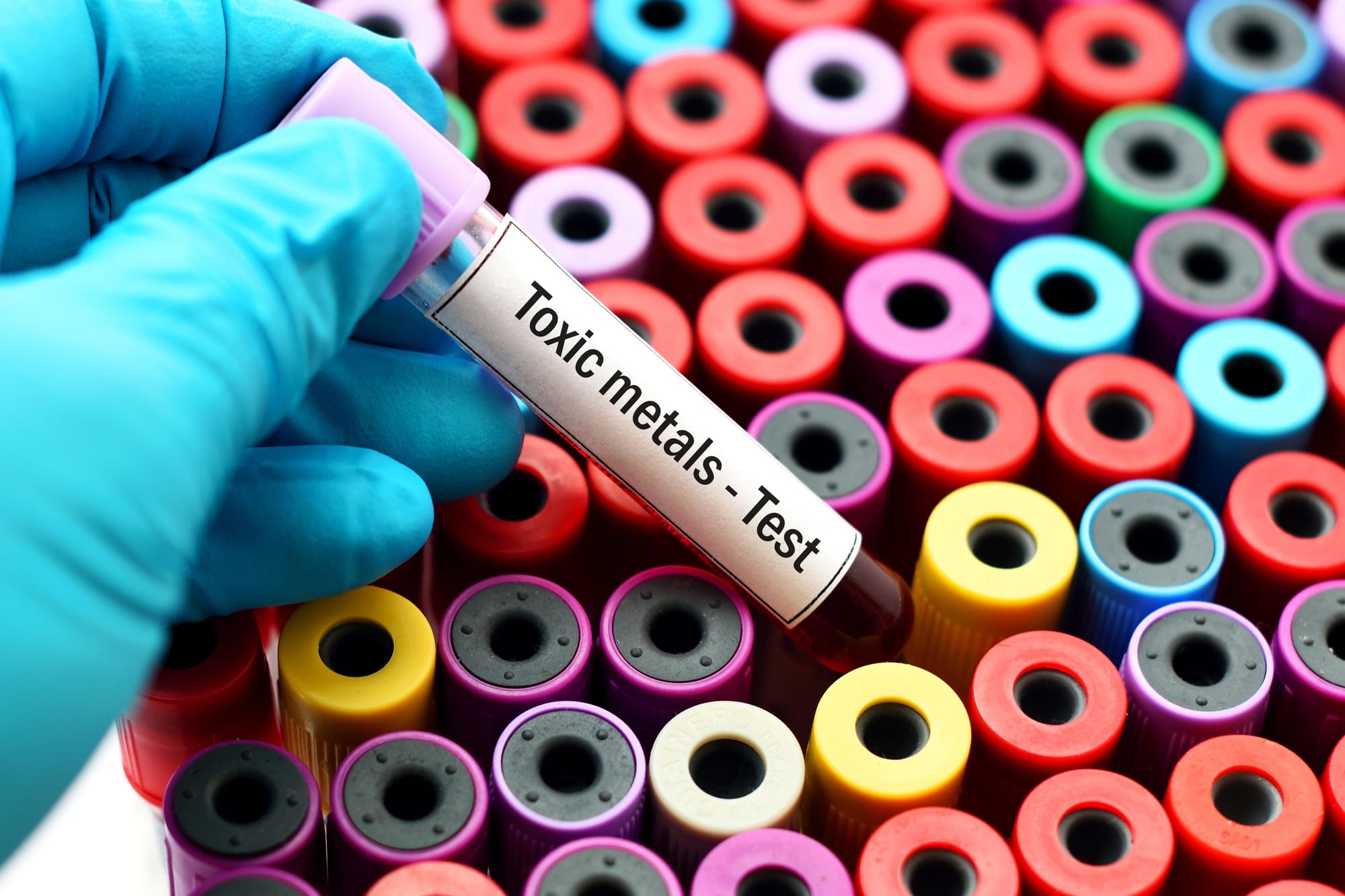
We often think of oral health in terms of cavities, gum disease, and flossing habits—but have you ever considered the role that heavy metals may be playing in your mouth?
Heavy metal toxicity (from mercury, lead, cadmium, arsenic, and others) can contribute to a wide range of systemic health issues—and yes, that includes your oral health. From bleeding gums to burning mouth syndrome, these invisible toxins may be quietly sabotaging your wellness.
In this blog, we'll explore why heavy metals matter in dental health, the signs and symptoms to watch for, and how you can get tested safely and accurately.
⚠️ Why Are Heavy Metals a Problem for Oral Health?
Heavy metals accumulate in the body from various sources like:
- Mercury from amalgam (silver) fillings
- Lead in old plumbing or paint
- Arsenic in contaminated water
- Cadmium from cigarette smoke
- Aluminum from some antacids and processed foods
These toxins may:
- Trigger oral inflammation and gum disease
- Disrupt the oral microbiome
- Exacerbate metal sensitivities
- Lead to neurological symptoms like burning mouth or facial tingling
- Impair immune function, leading to slower healing after dental procedures
🧪 How to Test for Heavy Metals
If you suspect heavy metal toxicity is playing a role in your oral (or overall) health, testing is the first step. Here are the most common and effective methods:
1. Hair Tissue Mineral Analysis (HTMA)
- What it is: A non-invasive lab test that analyzes mineral and heavy metal content in a small hair sample.
- Pros: Reflects long-term exposure; safe and easy collection.
- Cons: Doesn't show current blood levels; results can be influenced by hair treatments.
- Best for: Identifying chronic exposure and mineral imbalances.
2. Urine Heavy Metal Testing (Challenge Test)
- What it is: Involves taking a chelating agent (like DMSA or DMPS) that draws metals from tissues into urine.
- Pros: Shows body burden of metals stored in tissues.
- Cons: Must be done under professional supervision; may cause side effects.
- Best for: Assessing deeper tissue exposure, especially for mercury and lead.
3. Blood Testing
- What it is: Measures current heavy metal levels circulating in your bloodstream.
- Pros: Useful for acute or recent exposures.
- Cons: Not effective for detecting metals stored in bones or organs.
- Best for: Suspected recent or occupational exposure.
4. Saliva and Serum Testing for Metal Sensitivity
- What it is: Tests your immune response to specific metals used in dental work (e.g., mercury, nickel, titanium).
- Pros: Helps evaluate hypersensitivity or allergy to dental materials.
- Best for: Patients with unexplained oral reactions, fatigue, or neurological symptoms.
🦷 Oral Health Symptoms That Could Be Linked to Heavy Metals
You may want to consider testing if you experience:
- Chronic gum inflammation or bleeding
- Metallic taste in the mouth
- Burning mouth syndrome
- Dry mouth or excessive salivation
- Poor healing after dental work
- Recurrent oral infections
- Unexplained fatigue, brain fog, or mood issues
HOW TO get tested:
- Visit a Naturopath. Most naturopathic physicians offer heavy metal testing services.
- TruMed Naturopathic Clinic (Edmonton): Performs chelating‑agent challenge urine tests (using DMSA) to evaluate body burden of metals such as lead, mercury, cadmium, and arsenic. TruMed
- Health Today (Calgary):Tests Offered: Heavy metal blood testing (detecting lead, mercury, arsenic, cadmium, etc.) using mass spectrometry and atomic absorption spectroscopy Health Today.
Also Available: Oligoscan tissue scan in partnership with AvoVita Wellness—a non-invasive, real-time test that assesses heavy metals and mineral levels stored in body tissues via a quick hand scan.
Home Test Kits Available in CanadaOsumex Heavy Metals Test Kits
- General Kit (~$18 CAD): A straightforward at-home kit using first-morning urine or saliva to detect eight metals—cadmium, cobalt, copper, lead, manganese, mercury, nickel, and zinc. Results appear as a color change in about 20 minutes and have been independently verified by a lab in British Columbia osumex.ca.
- Specific Kits (~$108 CAD for 5 tests): These allow targeting specific metals (e.g. lead, arsenic, mercury, etc.), offering more quantitative results in parts per million (ppm) with instructions included osumex.com.
True Health Labs (via Genova Diagnostics)
- Offers mail-in home test kits from the U.S. that can be used and processed in Canada.
- Toxic Metals: 6–8 Hour Urine (~US$229): Measures arsenic, cadmium, lead, mercury, and aluminum True Health Labs.
- Comprehensive Urine Elements Profile: Includes metals and nutrients; includes assistance with results interpretation True Health Labs.
- Note: These kits typically require a local blood draw location in Canada and rely on CLIA- and CAP-certified labs for processing True Health Labs+1. Despite being U.S.-based, they can be mailed to and collected from Canadian locations.
Considerations Before Testing- Testing methodology matters: Some labs offer random urine panels, while others specialize in provoked/challenge testing using chelating agents like DMSA or DMPS. Make sure the method aligns with your needs.
- Interpretation differences: Provoked tests are controversial—some experts argue they lack standardized reference ranges and may overestimate body burdens. Random urine panels tend to reflect recent exposure more reliably.
- Consult with a qualified healthcare provider (e.g., naturopath, functional medicine doctor, or environmental health physician) who can guide you on test selection, preparation, and interpretation based on your symptoms and exposure history.
A Word of Caution
- At-home kits (like Osumex) are easy to use but generally non-quantitative and offer only a preliminary indication of metal presence. They shouldn’t replace lab-based diagnostics.
- Mail-in clinical kits, like those from True Health Labs, offer more reliability. They use advanced methods like ICP‑MS and are processed in certified labs to ensure accuracy.
- Provoked (challenge) testing controversy: Some methods that involve chelating agents to provoke increased metal excretion have been criticized for lacking standardization and potential for misleading results—urinary metal levels may increase purely from the provocation, regardless of actual exposure.
Summary: Canadian Self-Testing Options
| Type of Kit | Example Provider | Pros | Cons |
|---|
| Color-Change Home Kit | Osumex | Fast, simple, low cost | Qualitative; not precise or diagnostic |
| Mail-In Clinical Kit | True Health Labs | Accurate, processed by certified labs | Higher cost; sample collection required |
What You Can Do Next
- Use Osumex kits as an initial screening tool if you're curious about potential exposure.
- For more trustworthy, medically actionable data, the True Health Labs mail-in kits offer comprehensive analysis with professional support, though at a higher price and with more formal procedures.
- Always discuss results with a qualified healthcare provider—especially because interpretation of heavy metal levels can be complex and context-dependent.
🌿 What to Do If You're Toxic
If your results show elevated heavy metals, work with a trained professional in:
- Biological or holistic dentistry
- Environmental or functional medicine
- Naturopathic medicine
Treatment may include:
- Gentle chelation therapies
- Nutritional support for detox pathways (e.g., glutathione, zinc, selenium)
- Replacing metal-based dental materials
- Detox-enhancing lifestyle changes (infrared saunas, clean diet, binders)
💡 Final Thoughts
Heavy metals are often a missing piece of the puzzle in stubborn oral and systemic health conditions. While testing might seem like an extreme step, it can offer valuable insights—especially if you've tried everything else with little success.
If you're curious whether hidden toxicity could be influencing your dental health, speak to a holistic practitioner or biological dentist or hygienist who understands how to assess and refer you for an assessment.