Do Whitening Toothpastes Really Work, or Are They Doing More Harm Than Good?
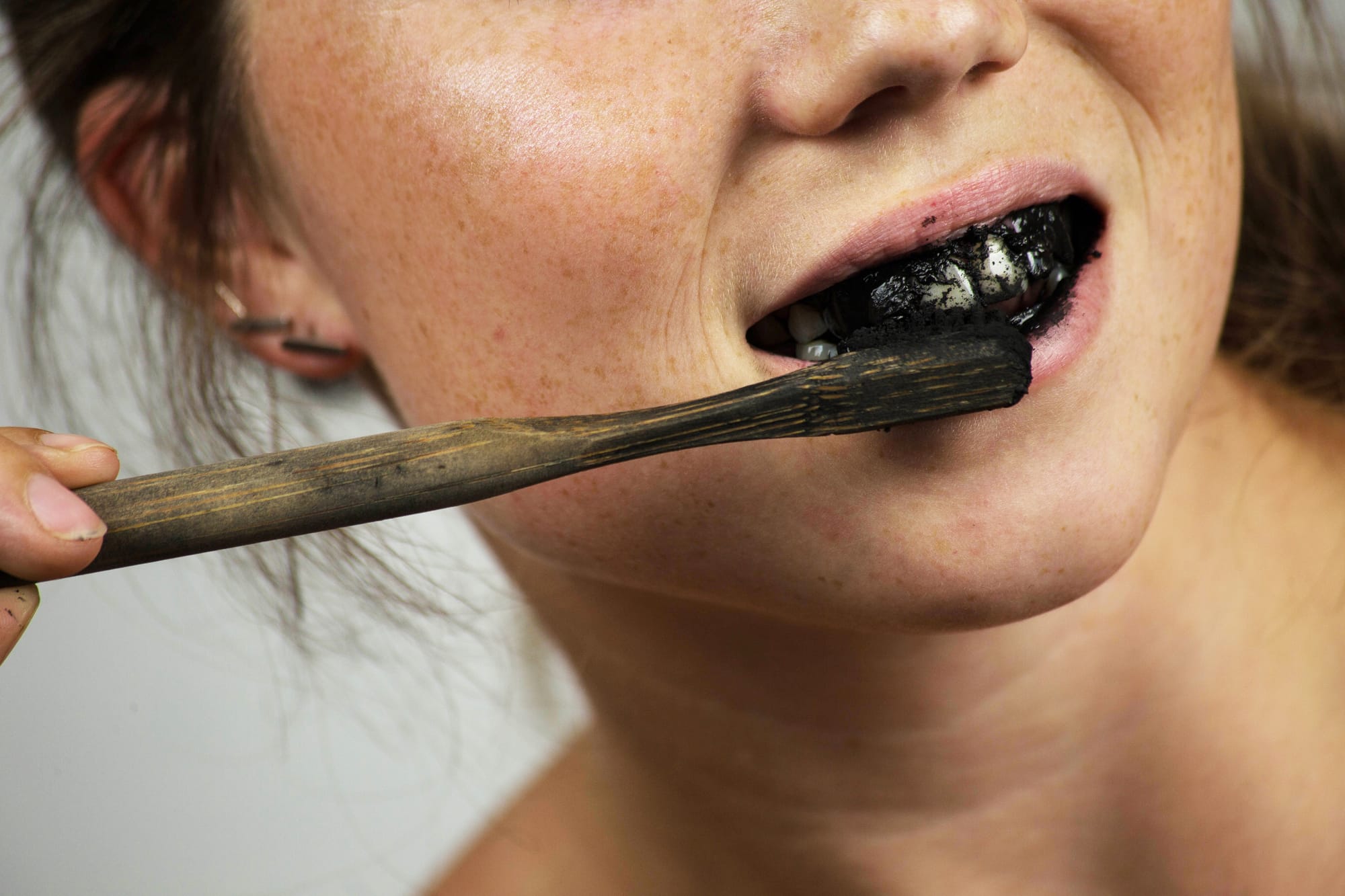
In the quest for a brighter, whiter smile, many people turn to whitening toothpastes as a quick and easy fix. These products promise to remove stains and lighten teeth, all while fitting into your regular brushing routine. But do they really deliver on these promises—or could they actually be harming your teeth in the process?
How Whitening Toothpastes Work
Whitening toothpastes typically work in one of two ways:
- Abrasive Agents – Most whitening toothpastes contain mild abrasives like silica or baking soda. These physically scrub surface stains off the enamel caused by things like coffee, tea, wine, and tobacco.
- Chemical Agents – Some products also include low levels of peroxide or other bleaching agents that attempt to chemically lighten the enamel.
It’s important to note: whitening toothpastes do not change the natural color of your teeth or penetrate below the enamel. They are designed to target only extrinsic stains—those on the surface of your teeth.
Do They Actually Work?
The answer is: somewhat, and only to a certain extent.
- Yes, they can remove surface stains with regular use, giving teeth a cleaner, brighter appearance.
- No, they won’t change deep discoloration caused by aging, trauma, medication, or internal staining. For these cases, professional whitening treatments are usually required.
Are Whitening Toothpastes Safe?
This is where things get more concerning.
⚠️ The Downside of Whitening Toothpastes
- Enamel Erosion
Many whitening toothpastes rely on abrasives to scrub off stains. Over time, aggressive scrubbing can wear away enamel, the protective outer layer of your teeth. Once enamel is gone, it doesn't grow back. - Tooth Sensitivity
Frequent use of harsh whitening agents can lead to increased tooth sensitivity. This is especially true for people who already have thinner enamel or gum recession. - Gum Irritation
Some chemical ingredients, like hydrogen peroxide, may irritate your gums with prolonged use—especially if the toothpaste is used more often than recommended. - Uneven Results
Whitening toothpastes may not whiten dental restorations like crowns, veneers, or fillings, which can result in a patchy or uneven look.
Better Whitening Alternatives
If you’re looking for a brighter smile, consider safer, more effective options like:
- Professional in-office whitening – Done under dental supervision for deeper and longer-lasting results.
- Custom take-home trays – Provide safe, gradual whitening using professional-strength gels.
- PAP-Based Whitening (Peroxide FREE) – Newer formulas now use PAP (Phthalimidoperoxycaproic acid), a non-peroxide whitening agent that breaks down stains through oxidation without causing enamel damage or sensitivity. PAP is gaining popularity as a gentler and safer alternative to peroxide. This is a great alternative for our holistic clients!
- Lifestyle changes – Cutting back on staining foods and drinks, quitting smoking, and practicing good oral hygiene can naturally reduce discoloration. TIP: for coffee, tea and wine drinkers drinking thru a straw helps!
Final Verdict: Proceed with Caution
Whitening toothpastes can help remove minor surface stains and offer a modest brightening effect. However, overuse or reliance on abrasive formulas can do more harm than good, especially to your enamel and gum health. Before choosing a whitening toothpaste, talk to your dental professional—especially if you have sensitivity or enamel concerns. A brighter smile should never come at the cost of your long-term oral health.
Need Advice on Safer Whitening?
If you're unsure whether your toothpaste is helping or hurting, book a consultation at our clinic. We'll assess your smile and guide you to whitening solutions that are effective and safe for your unique needs.