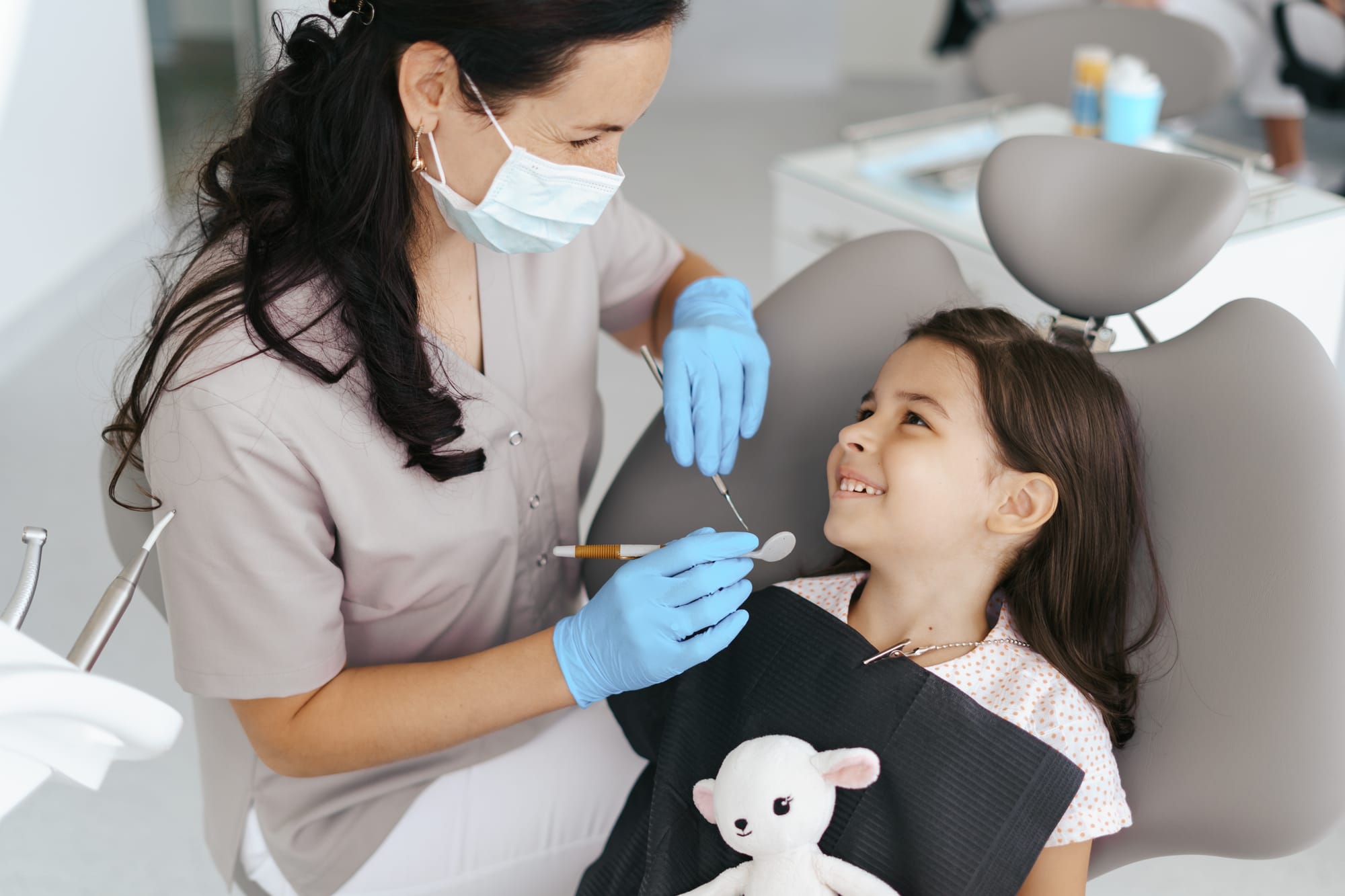
Dental sealants have long been a cornerstone of preventive dentistry, especially for children and cavity‑prone adults. As patients become more ingredient‑conscious and concerned about long‑term health effects, BPA‑free dental sealants are becoming an important topic in modern and holistic dental care. This article explores what BPA is, why it matters, and how BPA‑free sealants align with a whole‑body approach to oral health.
What Are Dental Sealants?
Dental sealants are thin, protective coatings applied to the chewing surfaces of back teeth (molars and premolars). These areas are particularly vulnerable to decay due to deep pits and fissures that can trap food and bacteria. Sealants work by:
- Creating a smooth barrier over grooves and fissures
- Reducing bacterial accumulation
- Lowering cavity risk by up to 80% in sealed teeth
Sealants are quick to apply, painless, and highly effective when paired with good oral hygiene.
What Is BPA and Why Is It a Concern?
Bisphenol A (BPA) is an industrial chemical historically used in plastics and resins, including some traditional dental materials. BPA is classified as an endocrine‑disrupting compound, meaning it can interfere with hormone signaling in the body. Research has linked BPA exposure—especially in children—to potential effects on:
- Hormonal balance
- Brain and behavioral development
- Reproductive health
- Immune system function
Although the amount of BPA exposure from dental materials is considered low, many patients and practitioners prefer a precautionary approach, especially when safer alternatives exist.
How BPA Can Be Present in Dental Sealants
Some conventional sealants contain BPA derivatives such as Bis‑GMA or Bis‑DMA, which may release trace amounts of BPA during placement or degradation over time. While regulatory bodies deem these levels safe, the growing focus on cumulative exposure has prompted many dental professionals to seek BPA‑free formulations—particularly for children, pregnant patients, and individuals with hormone sensitivity.
What Are BPA‑Free Sealants?
BPA‑free dental sealants are formulated without BPA or BPA‑derived compounds. They are designed to provide the same level of cavity protection while reducing potential systemic exposure. Key features of BPA‑free sealants include:
- No BPA, Bis‑GMA, or Bis‑DMA
- Biocompatible resin chemistry
- Strong adhesion and durability
- Safe for children and adults
These materials reflect a shift toward preventive care that considers overall health—not just teeth.
Benefits of BPA‑Free Sealants
1. Safer for Developing Bodies
Children are more vulnerable to endocrine disruptors. BPA‑free sealants support protection during critical growth stages.
2. Supports Holistic & Integrative Dentistry
For patients focused on minimizing toxins, BPA‑free options align with wellness‑based care philosophies.
3. Peace of Mind for Patients
Transparency about materials builds trust and empowers patients to make informed decisions.
4. Effective Cavity Prevention
BPA‑free sealants are clinically effective and comparable in longevity to traditional sealants.
Who Should Consider BPA‑Free Sealants?
BPA‑free sealants are an excellent choice for:
- Children and teens
- Pregnant or breastfeeding patients
- Individuals with hormone sensitivity
- Patients seeking biocompatible dental materials
- Anyone interested in preventive, low‑tox dental care
Application and Longevity
The placement process for BPA‑free sealants is the same as conventional sealants:
- Teeth are cleaned and dried
- A gentle etching solution prepares the enamel
- Sealant material is applied and cured
- Bite is checked for comfort
With proper care, sealants can last 5–10 years and are monitored during routine dental visits.
BPA‑Free Sealants and the Mouth–Body Connection
Modern dentistry recognizes that oral health influences systemic health. Choosing materials that reduce unnecessary chemical exposure supports:
- Hormonal balance
- Immune health
- Long‑term wellness
BPA‑free sealants represent a small but meaningful step toward safer preventive dentistry.
Final Thoughts
Dental sealants remain one of the most effective tools for preventing cavities. By choosing BPA‑free sealants, patients can benefit from proven protection while aligning with a more holistic, health‑conscious approach to care. If you’re interested in BPA‑free dental materials or want to learn more about preventive options tailored to your health goals, speak with your dental hygiene professional.
Healthy mouth. Healthy body. Thoughtful choices.
Comments